
Actions of the Vice Presidency for Student‑Teacher Affairs During the Ramadan War

The Vice President for Student‑Teacher Affairs of Farhangian University reported on the contributions of faculty members, instructors, and student‑teachers in producing specialized educational materials in the fields of counseling, health, and mental well‑being during the wartime period.
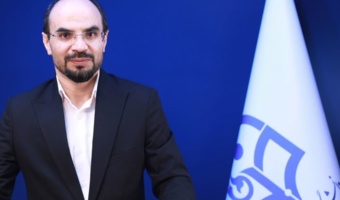
According to the Public Relations Office of Farhangian University, Vahid Alamiyan, Vice President for Student‑Teacher Affairs, in an interview with the Central Organization’s Public Relations Office, provided a report on the activities of this vice presidency regarding the production of content related to mental health and counseling in response to threats and aggression by the American‑Zionist enemy, and the dissemination of these materials across various media channels.
At the outset, Alamiyan referred to the numerous motivational and educational texts produced by faculty members, instructors, and capable student‑teachers of Farhangian University. He said: “During the days of war, numerous materials were produced in areas related to resilience, social support, children’s questions on various issues, non‑communicable diseases in wartime, studying amid conflict, emotional regulation for children, providing calm for mothers, instructions for preparing emergency homemade masks, nighttime relaxation protocols before sleep, post‑shock care procedures, empathetic and practical messaging, safety education, managing children’s repetitive questions, the psychology of war in Ramadan, attention‑shifting techniques, storytelling for children, empathy skills, first aid in chemical attacks, mental relaxation and anxiety‑reduction techniques, and principles of effective time management.”
He also announced the organization of a wide range of educational workshops in the field of health and counseling management during wartime, adding: “Sixteen workshops were held by the Health and Counseling Management Office, covering topics such as self‑care and caring for others, strengthening spiritual morale, anxiety management, resilience under wartime conditions, creating family calm, spiritual health, modern nutritional strategies for maintaining well‑being, liver diseases with emphasis on fatty liver, dormitory life from a health perspective, immune‑system strengthening, lifestyle considerations during fasting, and women’s medical care during wartime.”
The Vice President for Student‑Teacher Affairs noted that various campaigns were also launched during this period, including: the 90‑second content‑creation campaign on calmness, self‑care and caring for others; the production of hopeful and motivational content; planting a tree in remembrance of the martyrs of Ramadan as part of Tree Planting Week; spiritual health and the uplifting effects of prayer; and the role of religious masks in enhancing resilience.
Continuing his report, Alamiyan elaborated on several media products developed during the war period: “Approximately twelve podcasts were produced in various provinces, with themes such as mental health, ‘Yes, the homeland is safeguarded by our faith,’ maintaining calm during crises, resilience, well‑being, the role of social support in overcoming hardship, and ‘Together we pass through the heart of the crisis.’ Additionally, twenty‑three motion graphics and educational clips were produced by instructors, student‑teachers, and health assistants focusing on relaxation, boosting resilience, stress management, and psychological and social care. Numerous educational videos, brochures, and posters were also produced in series by instructors and distributed to student‑teachers.”
He concluded by highlighting several initiatives currently underway, stating: “A number of projects—including a program to provide psychological and academic services to student‑teachers—are being implemented with the participation of 140 counselors, aimed at promoting mental health and psychosocial well‑being among student‑teachers.”

Your Comment :